Why World Cup 2026 Will Be the Biggest Football Event in History
The FIFA World Cup 2026 isn't just another tournament – it's a complete reimagining of football's greatest spectacle. Hosted across the United States, Mexico, and Canada, this will be the largest, most ambitious World Cup ever staged. Here's why the numbers are staggering.
A Tournament Unlike Any Before
When the first whistle blows in Mexico City on June 11, 2026, it will mark the beginning of a World Cup that dwarfs every previous edition. The expansion from 32 to 48 teams means 62% more matches, and the infrastructure of North America means every single one of those matches will be played in world-class venues.
Breaking Every Attendance Record
The 1994 World Cup in the United States still holds the record for total attendance: 3.57 million fans across 52 matches. That record has stood for over 30 years.
In 2026, it won't just be broken – it will be obliterated.
Projected attendance: 6.8 to 8 million fans
Here's why:
- ●104 matches (vs 52 in 1994)
- ●Average stadium capacity: 70,000+ (many venues exceed 80,000)
- ●NFL-grade infrastructure in every US city
The average attendance per match in 1994 was 68,626 – still the highest in World Cup history. With America's massive NFL stadiums, 2026 could match or exceed that average across double the number of games.
The Stadium Factor: Built for Scale
Unlike previous World Cups that required billions in new stadium construction, the United States already has the infrastructure. These aren't purpose-built football stadiums – they're cathedrals of American sport, the largest and most advanced venues on earth.
The Biggest Venues
| Stadium | City | Capacity |
|---|---|---|
| AT&T Stadium | Dallas | 80,000 – 94,000 |
| MetLife Stadium | New York/New Jersey | 82,500 |
| Estadio Azteca | Mexico City | 83,000 – 87,000 |
| Mercedes-Benz Stadium | Atlanta | 71,000 – 75,000 |
| NRG Stadium | Houston | 72,220 |
| SoFi Stadium | Los Angeles | 70,000 |
Every single US venue holds 60,000 or more. Compare this to Qatar 2022, where the average stadium capacity was around 45,000, or Russia 2018's largest venue at 78,000.
The MetLife Stadium in New Jersey will host the World Cup Final – the most-watched single sporting event in human history, in a venue purpose-built for spectacles of exactly this magnitude.
Geographic Scale: A Continental Tournament
Previous World Cups have been contained within relatively compact footprints. Qatar 2022 was famously compact – every stadium within an hour of Doha. Even Brazil 2014, across a country of continental proportions, used 12 cities.
World Cup 2026 spans:
- ●16 host cities across three countries
- ●5,000+ km from Vancouver to Mexico City
- ●4 time zones
- ●Coast to coast across the world's largest economy
This creates both challenges and opportunities. For fans, it means unprecedented choice – the ability to combine a World Cup trip with the beaches of Miami, the culture of New York, or the glamour of Los Angeles. For the tournament, it means reaching markets across an entire hemisphere.
The Hype Machine: America's Sports Economy
When the United States hosts a major sporting event, it activates the most sophisticated sports marketing machine on earth. The Super Bowl, the biggest annual event in American sport, draws around 115 million US viewers. The World Cup Final in 2022 drew 1.5 billion viewers globally.
Now combine those audiences.
The 2026 World Cup will be the first to truly capture the American sports market at the moment when football (soccer) has achieved mainstream status. MLS is booming, Lionel Messi plays in Miami, and the Premier League is appointment viewing across the country.
Expected US viewership for the Final: 60+ million
Add the global audience, the Hispanic market (the largest football-mad demographic in the Western Hemisphere), and the natural interest of hosting, and you have the recipe for television ratings that will dwarf every previous tournament.
Comparing the Titans
| Metric | Qatar 2022 | Russia 2018 | Brazil 2014 | USA/Canada/Mexico 2026 |
|---|---|---|---|---|
| Teams | 32 | 32 | 32 | 48 |
| Matches | 64 | 64 | 64 | 104 |
| Stadiums | 8 | 12 | 12 | 16 |
| Largest venue | 88,966 | 81,000 | 76,804 | 94,000 |
| Countries | 1 | 1 | 1 | 3 |
| Total attendance | ~3.4M | 3.03M | 3.43M | 7-8M (projected) |
What This Means for Fans
The scale of World Cup 2026 creates a unique challenge: how do you experience a tournament this vast?
The answer isn't to chase fixtures across a continent. It's to choose your base strategically.
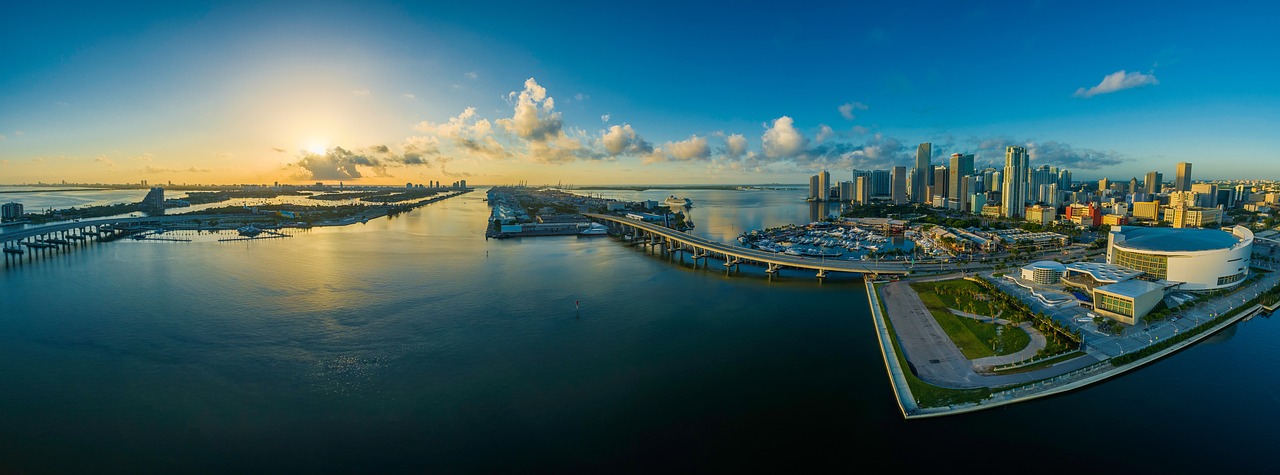
Miami offers a Caribbean gateway with knockout stage matches and the third-place playoff. New York hosts the Final and multiple group stage games. Los Angeles combines Hollywood glamour with early-round action.
The smart approach? Pick your city, secure your access, and let the tournament come to you.
World Cup 2026 will be remembered as the moment football announced itself to America – and America announced itself to football. The numbers don't lie: this will be the biggest sporting event in human history.